Radiant Scenery: Mastering 100 Stained Glass Landscape Backgrounds
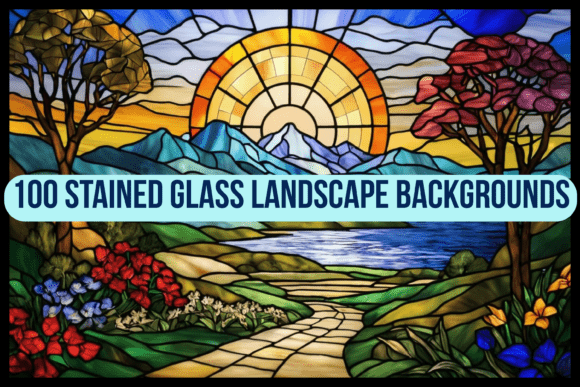
There is a specific kind of magic found in 100 Stained Glass Landscape Backgrounds that standard photography simply cannot replicate. These design assets take the organic beauty of nature—rolling hills, dense forests, crashing ocean waves, and golden sunsets—and filter them through the lens of traditional craftsmanship. By utilizing bold leading lines and segmented, jewel-toned panels, these backgrounds offer a distinct visual personality. They transform standard digital scenery into something that feels structural, luminous, and deeply artistic. For designers, marketers, and content creators, this collection provides a solution that is both visually striking and emotionally resonant.
The Aesthetic Power of Glass and Light
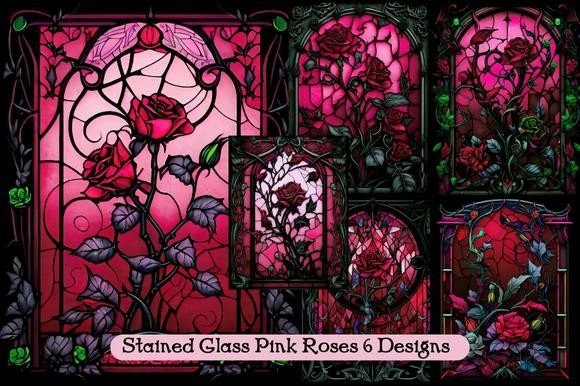
When you look at a piece of 100 Stained Glass Landscape Backgrounds content, you aren't just seeing a picture; you are seeing a mosaic of light. The defining characteristic of this style is the interplay between dark, defining "lead" lines and the vibrant "glass" panels they contain. This creates a high-contrast effect that allows for incredible depth. The colors used are rarely muted; instead, they lean into rich sapphire blues, deep emerald greens, ruby reds, and glowing ambers. This palette creates a sense of warmth and luminescence, mimicking the way sunlight interacts with physical glass in a cathedral window.
For those involved in brand identity and graphic design, this style offers a unique blend of realism and abstraction. The landscapes are recognizable—everyone knows a mountain or a sunset—but the execution is stylized. This makes them perfect for projects that require a "classic" or "established" feel without looking outdated. The texture variations within the panels add a handcrafted quality, suggesting artisanal care and attention to detail. Whether you are working on web design, editorial design, or physical prints, these backgrounds provide a sophisticated backdrop that commands attention without overwhelming the subject.
Strategic Applications for Modern Creators
The versatility of 100 Stained Glass Landscape Backgrounds extends far beyond simple desktop wallpapers. In the realm of digital art and social media graphics, these assets serve as powerful engagement tools. The segmented nature of the design creates natural focal points. For instance, a content creator can place text or a logo in a darker panel, ensuring high readability against the colorful glass effect. This is particularly useful for Instagram stories or YouTube thumbnails where the background needs to support the message rather than distract from it.
In packaging design and home décor, the application is equally effective. The timeless nature of stained glass evokes feelings of history, spirituality, and serenity. A small business selling artisanal goods, candles, or tea could use these backgrounds on their labels to communicate a sense of tradition and quality. Similarly, for print design, such as book covers or posters, the high-fidelity detail of the glass texture looks magnificent when printed on high-quality stock. The rich gradients hold up well in both CMYK and RGB formats, ensuring that the "glow" of the digital file translates to the physical world.
Integrating Assets into Your Design Workflow
Adopting 100 Stained Glass Landscape Backgrounds into your workflow requires a thoughtful approach to visual hierarchy. Because these backgrounds are texturally rich, they function best when paired with clean typography. If you are working on a website header, for example, pairing a stained glass background with a bold, clean sans serif font creates a beautiful contrast between the ornate background and the modern interface. Conversely, if the goal is a vintage or classical aesthetic, a sturdy serif font can complement the "leading" lines of the glass art.
Here are practical considerations for using these assets effectively:
- Color Coordination: Use a color picker tool to sample the dominant hues from the background—such as the sapphire or amber tones—and use those exact hex codes for your text or accent elements. This ensures the design feels cohesive rather than disjointed.
- Opacity and Overlay: Sometimes the full vibrancy of the glass might be too intense for a specific project. Adjusting the opacity or applying a slight dark overlay can help push the background back, allowing foreground content to pop while retaining that unique glass texture.
- Resolution Matters: Stained glass art relies on the crispness of its lines. Ensure you are using high-resolution versions of these backgrounds, especially for logo design or large-format printing. Blurry edges can ruin the illusion of the "glass" effect.
Choosing the Right Scene for the Right Mood
Not all landscapes carry the same emotional weight, and with a library of 100 options, selection is key. The "personality" of your project should dictate which background you choose. For example, the ocean and sunset themes within the 100 Stained Glass Landscape Backgrounds collection tend to evoke feelings of calm, transition, and relaxation. These are ideal for wellness brands, meditation apps, or lifestyle blogs aiming to project a sense of peace.
On the other hand, the forest and mountain themes often feel more grounded, adventurous, and sturdy. These work exceptionally well for outdoor brands, travel agencies, or financial institutions looking to convey stability and endurance. The segmented nature of the stained glass style adds a layer of structure to these natural scenes, making them feel more organized and "designed" than a raw photograph. When reviewing your design assets, consider the narrative: does the image tell a story of tranquility or strength? Matching the visual narrative to your brand voice is essential for consistent communication.
Technical Considerations and Commercial Use
For entrepreneurs and marketers, the practical utility of 100 Stained Glass Landscape Backgrounds lies in their adaptability. However, it is vital to understand the technical specifications of these assets. Most professional background sets are provided in high-resolution formats compatible with major software like Adobe Photoshop, Illustrator, and Canva. When evaluating these assets, check for layer separation if possible; some premium assets allow you to adjust the "lead" lines independently of the "glass" colors.
From a licensing perspective, always verify the commercial usage rights. If you are using these backgrounds for social media graphics for a client or for packaging design that will be sold in stores, you typically need an extended commercial license. This protects you legally and ensures you can use the assets across multiple projects without restriction. Furthermore, consider the scalability. A background that looks good on a mobile screen might pixelate on a 4K monitor. High-quality assets should be scalable, allowing you to crop into specific sections of the landscape without losing the definition of the glass texture.
Ultimately, 100 Stained Glass Landscape Backgrounds offer a bridge between the organic beauty of nature and the structured beauty of human art. They provide a rich, textured canvas that can elevate a standard design into a memorable visual experience. By understanding the visual language of stained glass—its light, color, and structure—you can leverage these backgrounds to create designs that feel both timeless and profoundly engaging.