Rustic Fabric Texture Backgrounds: A Designer's Toolkit
Finding the right background is often the silent challenge in design. It needs to support your subject, set a mood, and communicate a feeling without stealing the show. A flat color can feel sterile, a busy pattern can overwhelm, and a generic stock photo can lack authenticity. This is where a curated collection of textures becomes invaluable, offering a quick path to adding depth, warmth, and a tangible, human quality to your work.
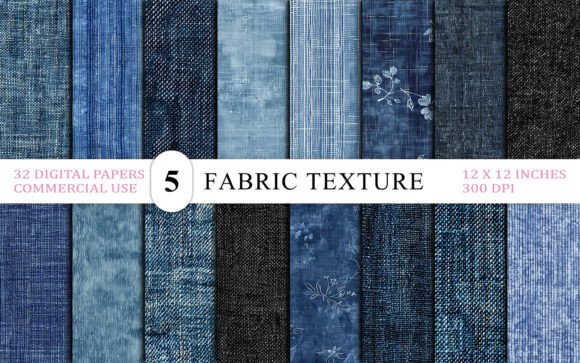
The 32 Fabric Texture Seamless Background Bundle is a resource built for this exact purpose. It’s not just a set of images; it’s a toolkit of tactile surfaces designed to evoke a sense of handcrafted comfort and realism. Let’s explore what makes this collection a practical asset for a wide range of creative projects.
More Than Just a Pattern: The Character of Textile Backgrounds
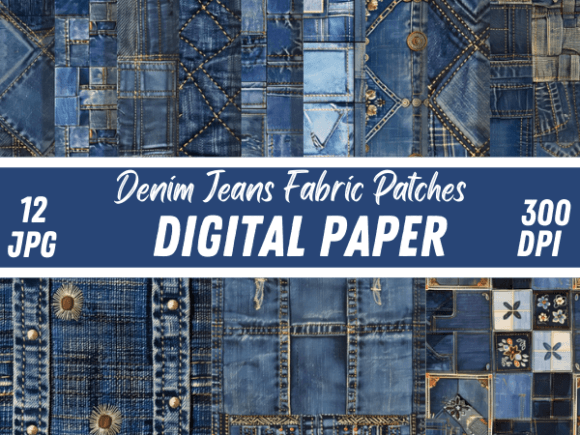
At its core, this bundle is about visual storytelling through texture. The collection moves beyond simple, repetitive patterns to offer a variety of fabric personalities. You’ll find the rugged, familiar weave of denim, the soft, nubby feel of linen, and the intricate detail of embroidered florals. Each texture carries its own mood—denim suggests durability and casual style, while linen speaks to organic simplicity and elegance.
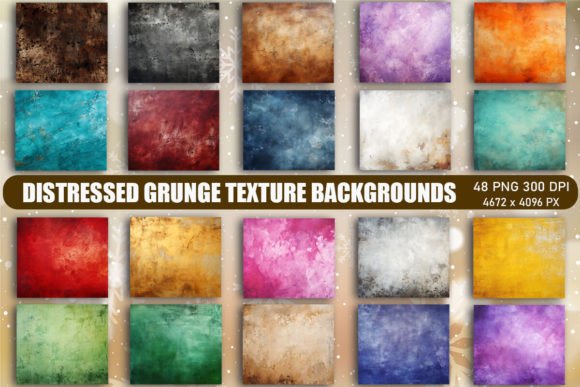
The visual appeal is in the subtle imperfections. The slight variations in thread, the gentle puckers of a weave, and the soft shadows within the fibers create a realism that flat digital colors cannot replicate. This bundle, with its 32 unique options including polka dot denim and colorful patchwork designs, provides a spectrum of styles from rustic and grunge to cute and retro. This versatility means you can match the texture’s personality precisely to your project’s tone.
Where Texture Transforms Your Creative Work
The practical value of a high-resolution texture bundle lies in its application. These backgrounds are designed as digital papers and overlays, making them incredibly adaptable. Here’s how different professionals can leverage them:
- For Branding & Marketing: Use a subtle linen texture as a website background to add warmth without distracting from content. A denim texture tile can become the foundation for social media graphics for a lifestyle or apparel brand, instantly conveying a specific aesthetic. For packaging, a rustic woven background can enhance the perceived quality and artisanal feel of a product.
- For Digital & Print Publishing: Bloggers and content creators can use these as background layers for Pinterest pins, Instagram stories, or quote graphics to increase visual interest and stop the scroll. In editorial design, a textile overlay can add a sophisticated, tactile element to magazine layouts or book covers, especially in genres like historical fiction, romance, or lifestyle.
- For Crafters & Hobbyists: This is where the bundle truly shines for personal projects. The 3600x3600 px (12x12 inch) size at 300 DPI is perfect for printable projects. Use them to create custom scrapbook paper, design unique greeting cards, or print backgrounds for DIY art and home decor. The seamless nature of many textures allows for easy tiling in larger print projects.
Integrating Texture into Your Design Process
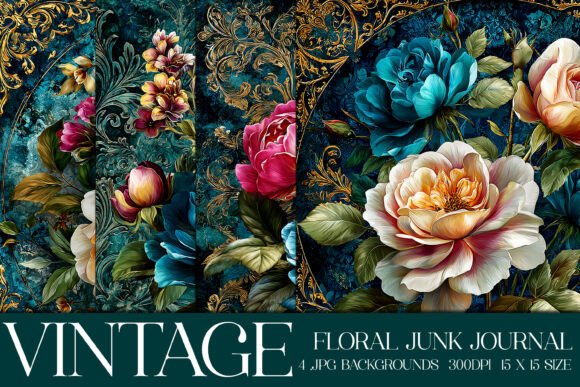
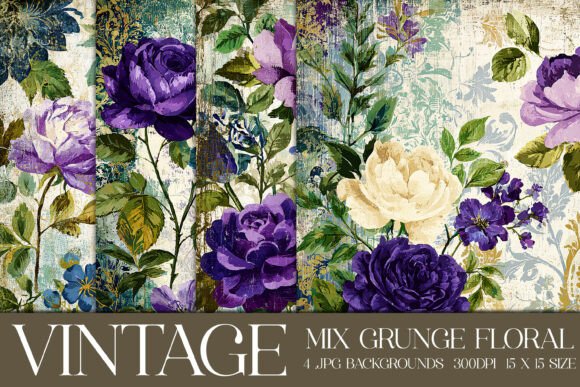
Simply having a great texture isn’t enough; using it effectively is key. Think of these backgrounds as a supporting actor. Their job is to enhance, not compete. A busy floral embroidered background might be stunning, but it could clash with complex typography. A better use might be as a focal point in a logo design for a craft business or as a standalone decorative element.
A practical approach is to consider visual hierarchy. Use a more pronounced texture for backgrounds where text is minimal. For text-heavy areas like a blog post body or a brochure, opt for a very subtle, low-contrast textured paper digital effect. This adds depth without sacrificing readability. Testing is crucial: always place your text and graphics over the texture to ensure sufficient contrast and clarity.
When it comes to font pairing, let the texture guide you. A grunge fabric pack background pairs well with bold, clean sans-serif fonts or distressed display fonts for a cohesive, edgy look. A delicate polka dot denim paper might complement a playful handwritten font or a classic serif font for a charming, vintage feel. The goal is harmony between the tactile background and the typographic voice.
Practical Considerations for Your Project
Before diving in, evaluate your project’s specific needs. Ask yourself:
- What is the dominant mood? Is it cozy, professional, playful, or rugged? Match the texture’s personality accordingly.
- What is the primary medium? The high-resolution JPG files are print-ready, but for digital use, consider file size and load times. You may need to optimize them for web.
- How will I use it? As a full background, a subtle overlay, a pattern for a shape, or a material for 3D mockups? This will determine which of the 32 options is best.
- Do I need commercial licensing? This bundle is explicitly marketed as Commercial Use Ready, which is a significant advantage for entrepreneurs and small business owners creating assets for sale or client work. Always double-check the specific license terms included with your download.
The true strength of a resource like the Rustic Fabric Texture Backgrounds Bundle is in its ability to solve common design problems efficiently. It provides a library of premium design assets that can elevate a project from looking digitally flat to feeling rich and layered. Whether you’re building a brand identity, crafting marketing materials, or personalizing a creative project, having a go-to collection of quality textures is a practical step toward more professional and engaging results.